
Sanxingdui is mysterious and magnificent. It’s almost impossible to imagine that such a great civilisation existed some 4,500 years ago. I’d say it’s one of those sites that every archaeology enthusiast and every alien civilization fans — absolutely must visit in lifetime.
The most extraordinary sites, however, tend to share one unavoidable drawback: they’re packed with visitors all year round. For the best experience, get there first thing in the morning. Then, with the afternoon free, why not take your time and explore the town that gave birth to it all: Guanghan.
My Recommended Route
Catch a DiDi from Chengdu at around 7:20 in the morning and arrive at Sanxingdui when it opens at 8:30. Spend a leisurely three to four hours wandering round, then stop for lunch and spend the rest of the afternoon exploring Guanghan at your own pace.
Option 1 — Fanghu Park 广汉房湖公园
Fast-forward a few millennia from Sanxingdui era, and we arrive at the story of Fang Guan, a Tang Dynasty official who was exiled to Guanghan around 759–760 AD. He worked hard to improve the lives of local people, and in his honour the townspeople later built a park around the remains of Fang Gong Lake — what is now Guanghan Fanghu Park.
It’s not a particularly well-known park, but it’s genuinely lovely. The design blends the elegance of Suzhou garden style with traditional Sichuan and Ba-Shu architecture. It’s a wonderfully peaceful place for a stroll — best visited in spring or summer.
There’s also plenty of local history to discover here:
The Sacred Edict Stele of Zhang Xianzhong (1644–1646) 张献忠圣谕碑 — If you have interests in Sichuan’s history, you’ve probably heard of Zhang Xianzhong. He was long portrayed as a ruthless warlord who massacred the population of Sichuan. But as more historical artefacts have been excavated in recent years — including this very stele — the picture has become more complicated. Growing evidence suggests he may have been falsely accused.
The Memorial Hall of Tan Zihao (born in Guanghan, 1912) 覃子豪纪念馆 — A celebrated modern poet who moved to Taiwan in 1947, where he co-founded the Blue Star Poetry Society 藍星詩社 alongside Yu Guangzhong, Zhong Dingwen, and others. He made a lasting contribution to the development of modern Taiwanese poetry.
By the time you’ve taken all this in, you’ll be quite the little Guanghan historian.
Option 2 — Yazi River & Yazi River Park 鸭子河
If you feel a little overwhelmed after Sanxingdui, a walk along the Yazi River is just the thing. Many ancient civilisations flourished near water — and the Yazi River is very much the lifeblood of Guanghan.
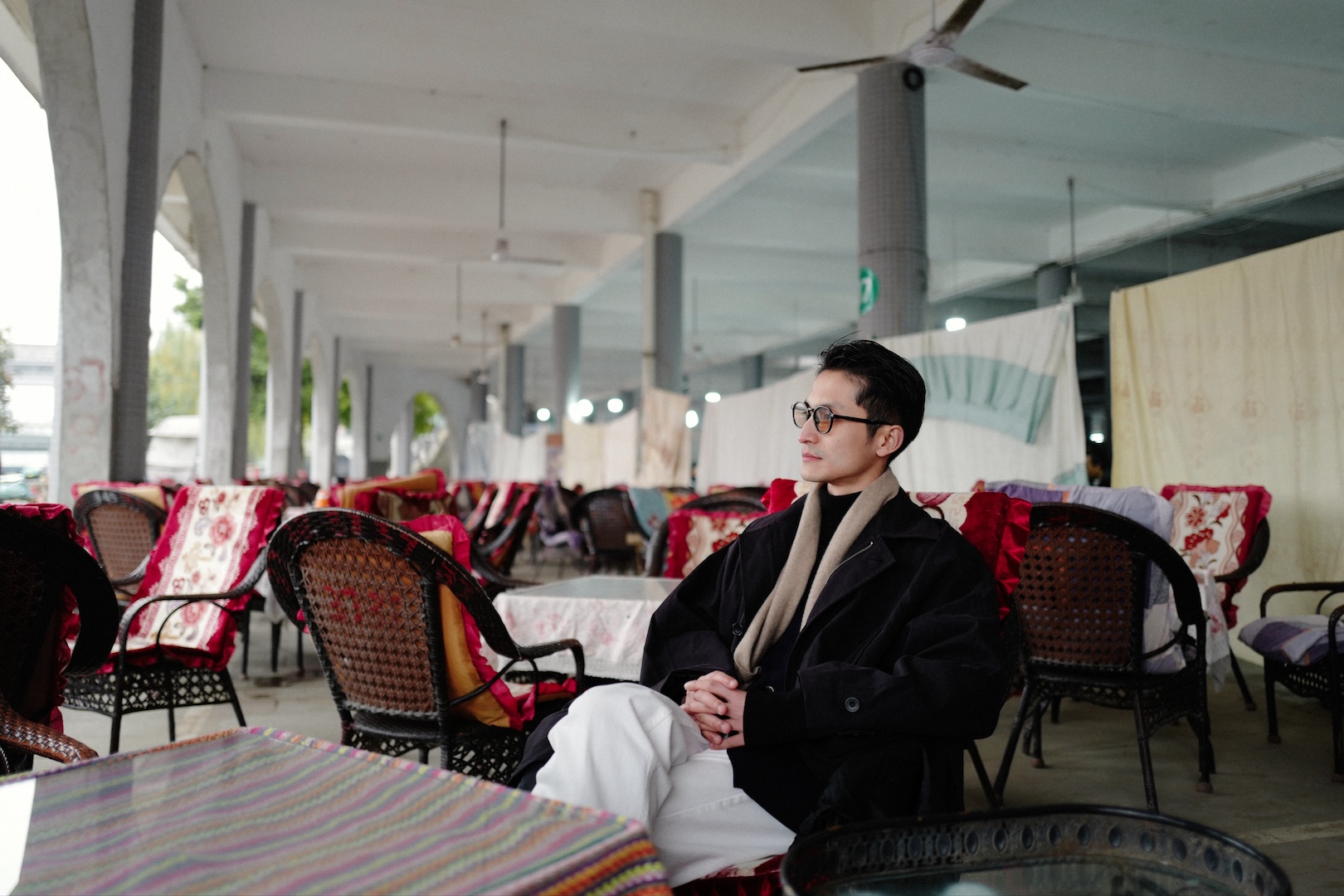
Yazi River Park is also worth a wander. It’s mostly locals, which I rather like. The mahjong parlours nearby have a wonderfully old-fashioned charm.
Food
- Xiaoping Restaurant 小平餐厅 西湖路西一段 — A great Sichuan cuisine restaurant.
- Meiyong Rice Noodles 美勇米粉 下南街135号 — Their chilli oil dumplings (hong you shui jiao) are an absolute must. Hands down the best I’ve ever had: the chilli oil is fragrant and rich, the dumplings themselves are plump and meaty, and they’re served with sweet bean paste and a layered soy sauce that brings it all together beautifully. My Recommendation “二两红油水饺,免蒜,谢谢” ( a medium potion dumplings without raw garlic, cheers )
I think it’s a shame that most visitors to Guanghan see Sanxingdui and head straight back to Chengdu. Unlike Chengdu — which has modernised and homogenised at a breathtaking pace — Guanghan still holds on to the feel of an older, quieter China.
Life here moves slowly. In the parks, locals gather to sing, play chess, and walk their pets.
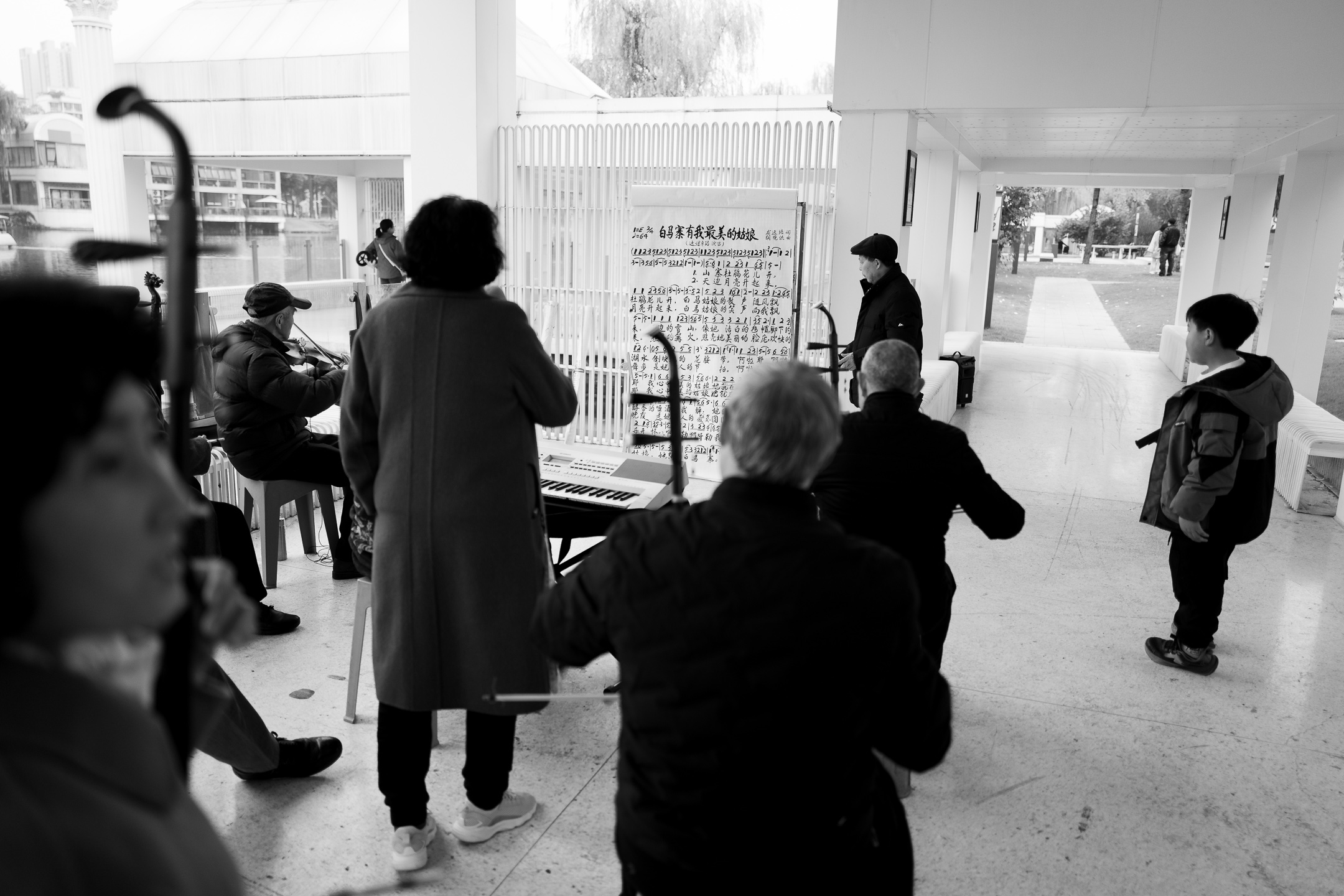
巴适 — as the Sichuanese say. Proper good. If you’re not in a rush, I’d really recommend lingering a little longer.
Safe and happy travels.
Ciao
PS — You can head directly to Sanxingdui from Tianfu International Airport; it’s about a two-hour drive. Then simply make your way back to Chengdu once you’re done.
Leave a Reply